
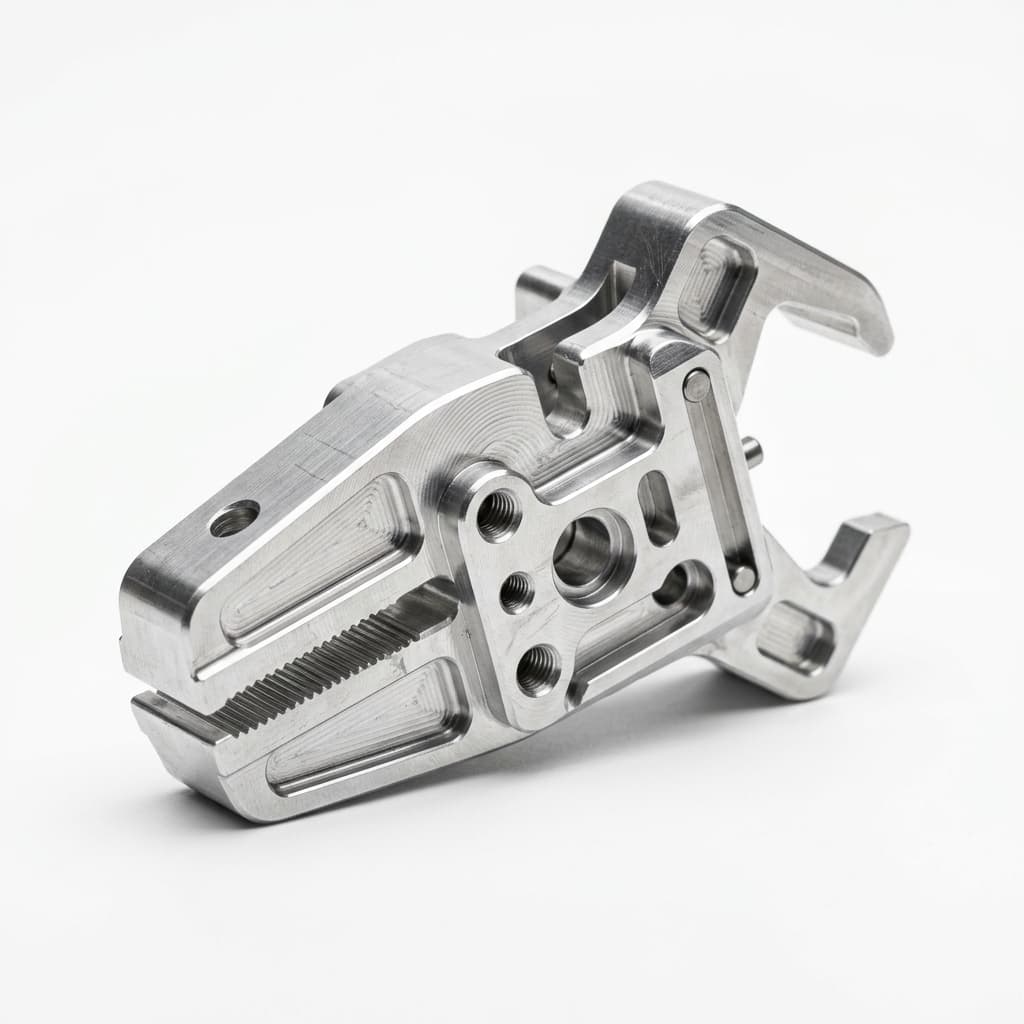
Gripper Jaws & Fingers
Custom CNC machined gripper jaws and fingers for robotic handling, matched jaw sets, non-marring contact, part location, and CTQ inspection planning.
Review scopeCNC machined tooling plates, EOAT nests, locating fixtures, and datum-controlled part supports for robotic pick, place, inspection, and assembly cells.
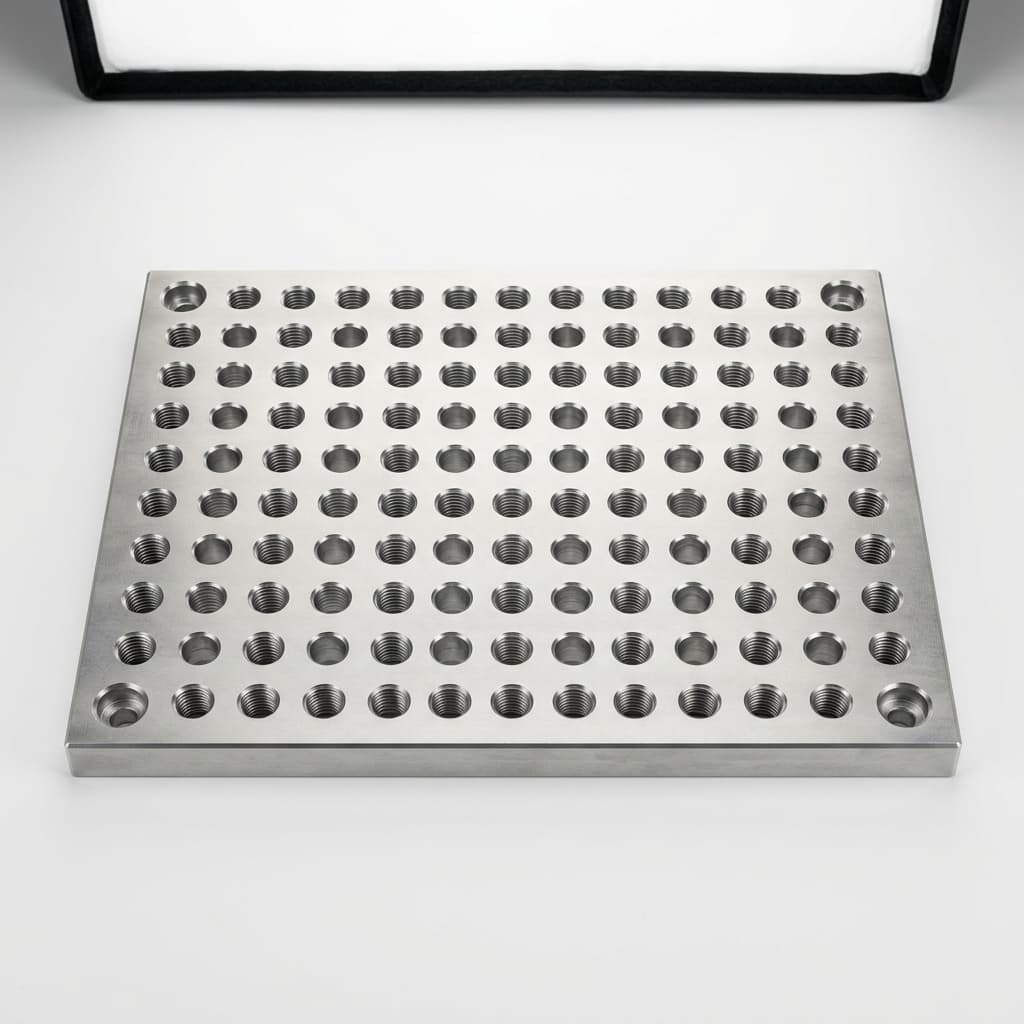
Nests and tooling plates define where the part actually sits. If datum surfaces, pin holes, pockets, and replacement records are vague, the robot cell may need reteaching or produce inconsistent placement.
Inquiry Email
Attach your CAD files (STEP, IGES) and tolerances for quick quoting.
Material choice should follow payload, contact, cleaning, wear, and documentation requirements. These are common starting points for RFQ review, not a substitute for drawing-specific material callouts.
The machining route should protect the features that affect robot fit, product contact, sealing, replacement, and repeat-order stability.
Use these product references to decide what belongs in the drawing package: interface faces, part-contact areas, service access, pneumatic or cable details, and the features that should become CTQ inspection points.
Helps buyers separate locating surfaces from clearance geometry.
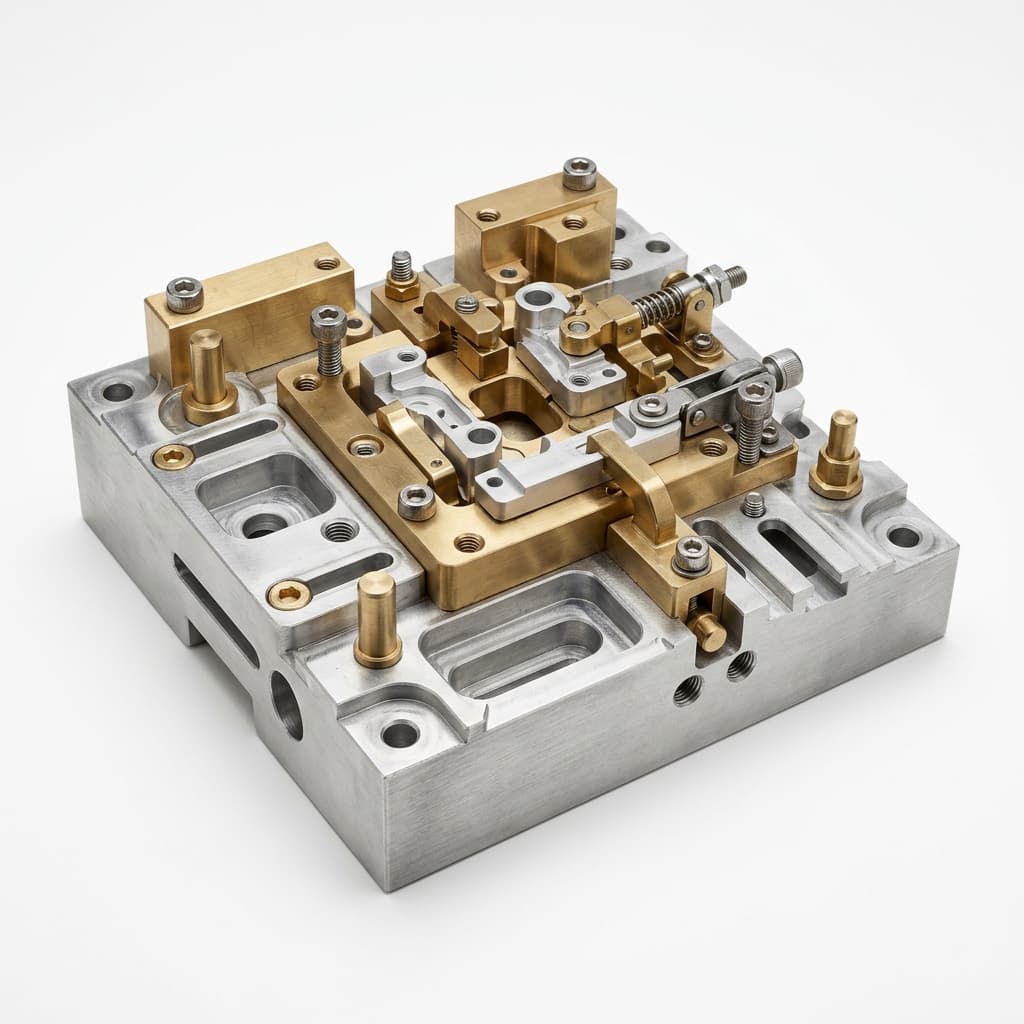
Relevant when robot path, part support, and service replacement all affect the design.
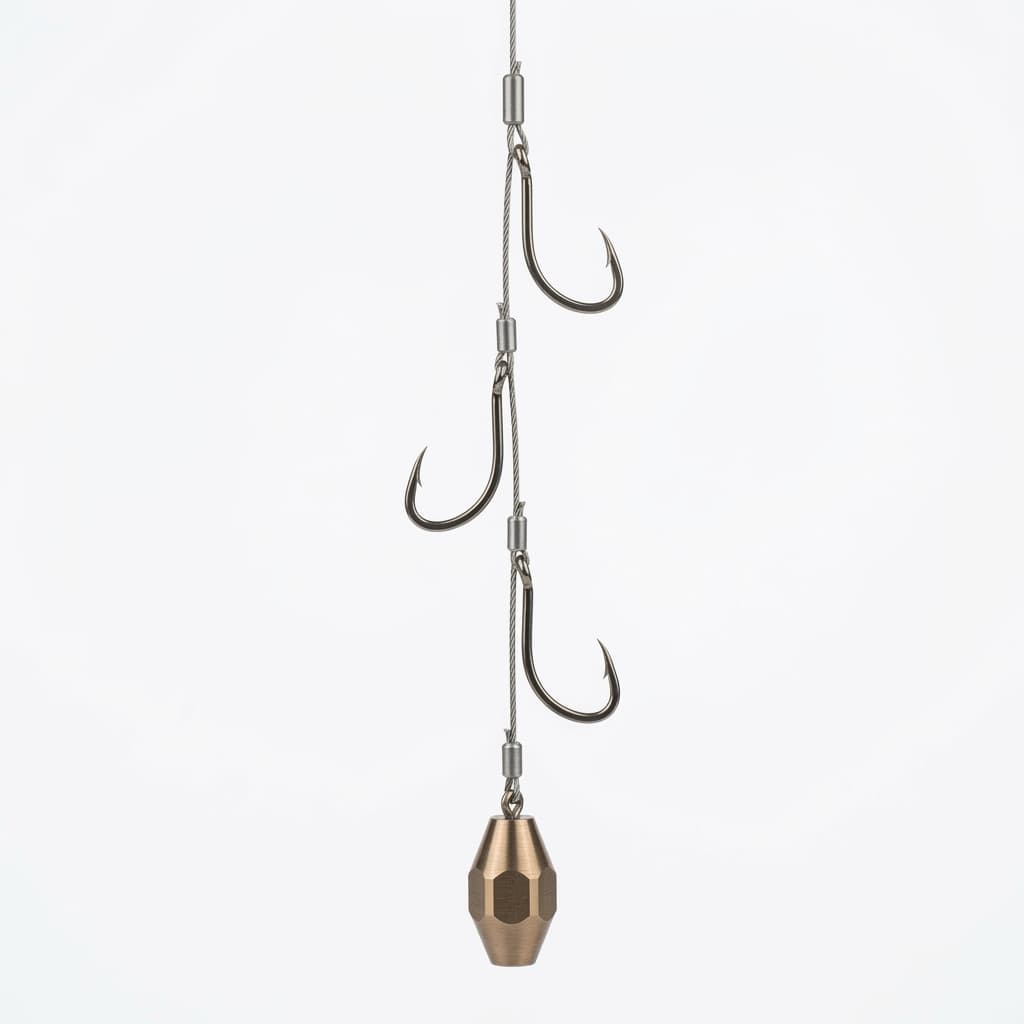
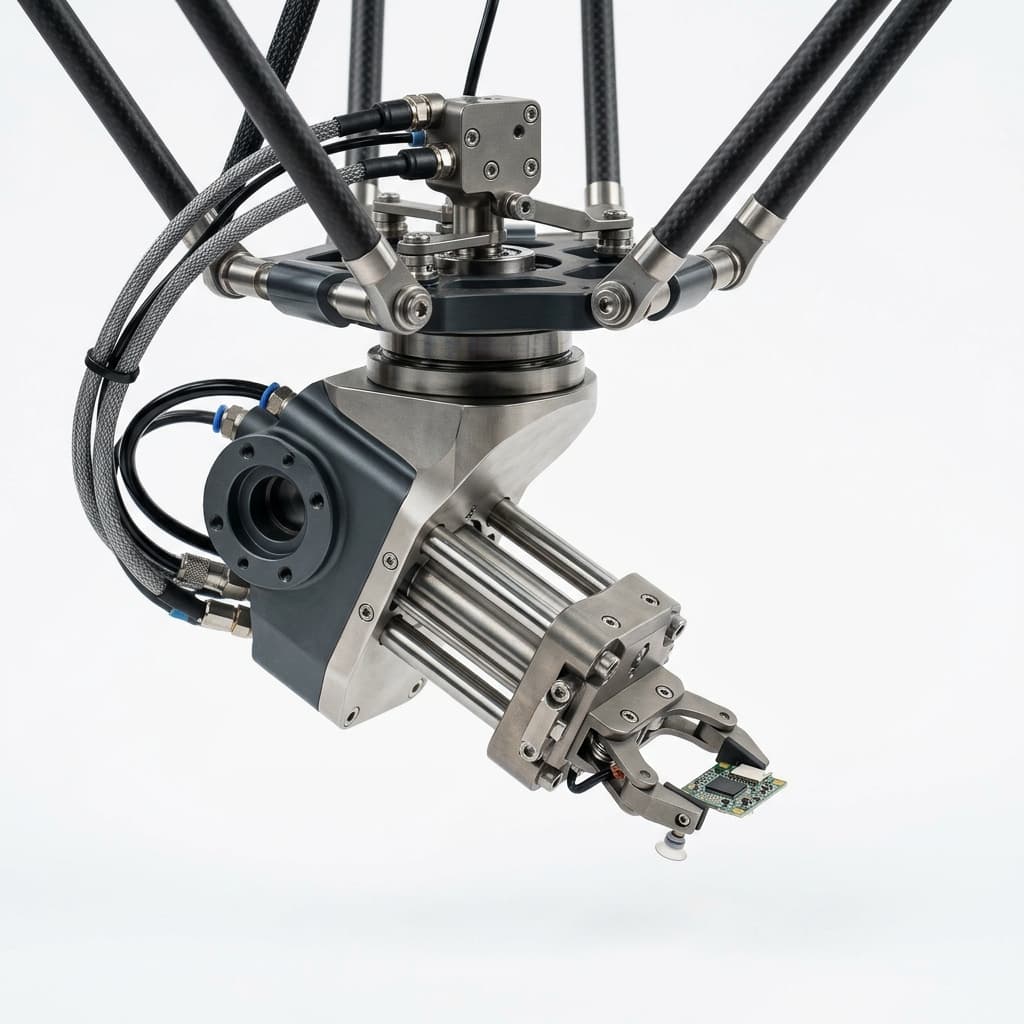
Shows why nests and tooling plates should be reviewed inside the full EOAT assembly.
A useful FAI or dimensional reporting plan starts from part function. The table below shows what buyers usually need to verify before releasing the sample or repeating the part.
| Feature | Risk Controlled | Typical Inspection | Buyer Output |
|---|---|---|---|
| Datum faces and nest pockets | Poor part location and robot reteaching | Pocket depth, flatness, and datum relationship checks | FAI baseline for part location |
| Locating pins and bushings | Replacement mismatch and fixture wear | Hole position and fit checks | Repeat-order inspection baseline |
| Part-contact inserts | Scratches, deformation, or unstable pickup | Insert pocket, retention, and surface review | Contact-area acceptance notes |
Include these details in the first email to reduce clarification cycles and make the quote easier for engineering and procurement to review.
These controls prevent avoidable sample rework, ambiguous inspection results, and repeat-order mismatches.
Custom CNC machined gripper jaws and fingers for robotic handling, matched jaw sets, non-marring contact, part location, and CTQ inspection planning.
Review scope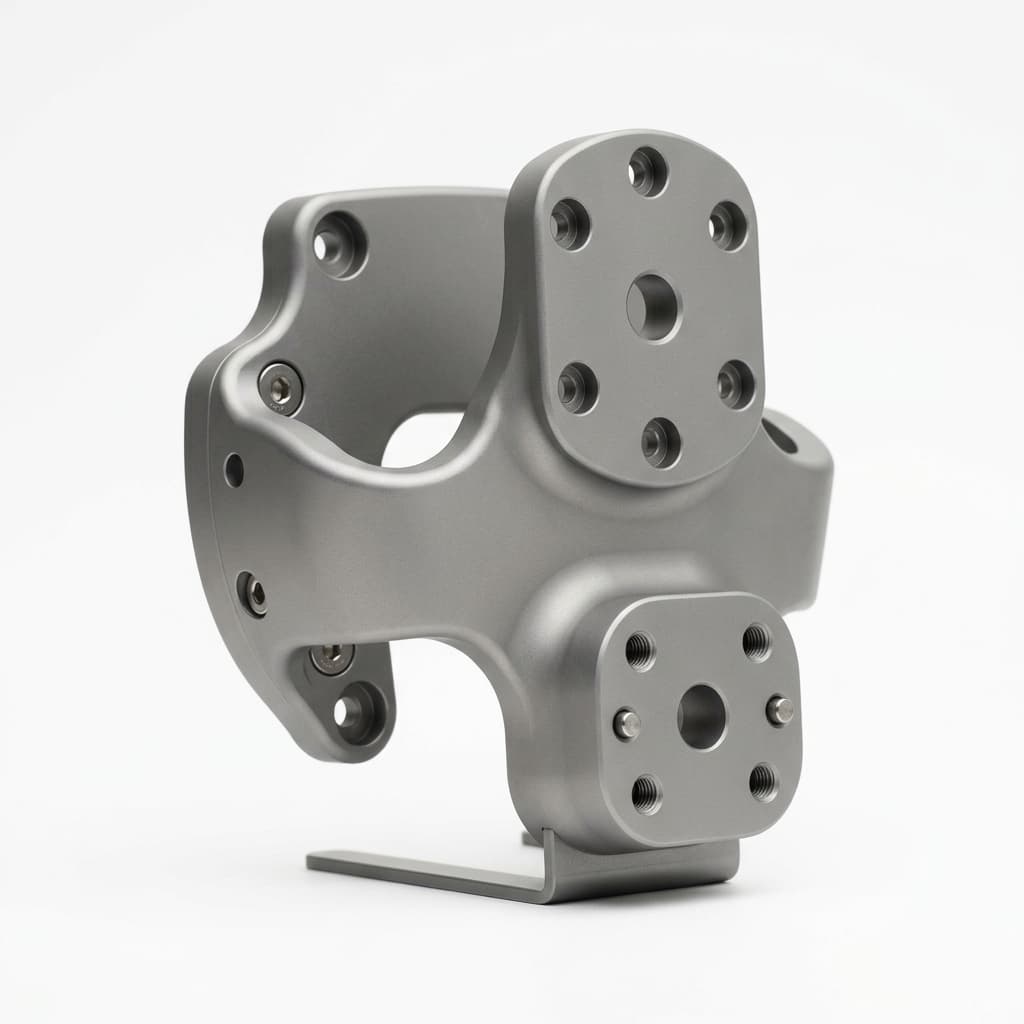
Custom CNC machined sensor brackets, cobot mounts, cable-relief plates, and lightweight EOAT support parts for tight robot cell clearances.
Review scope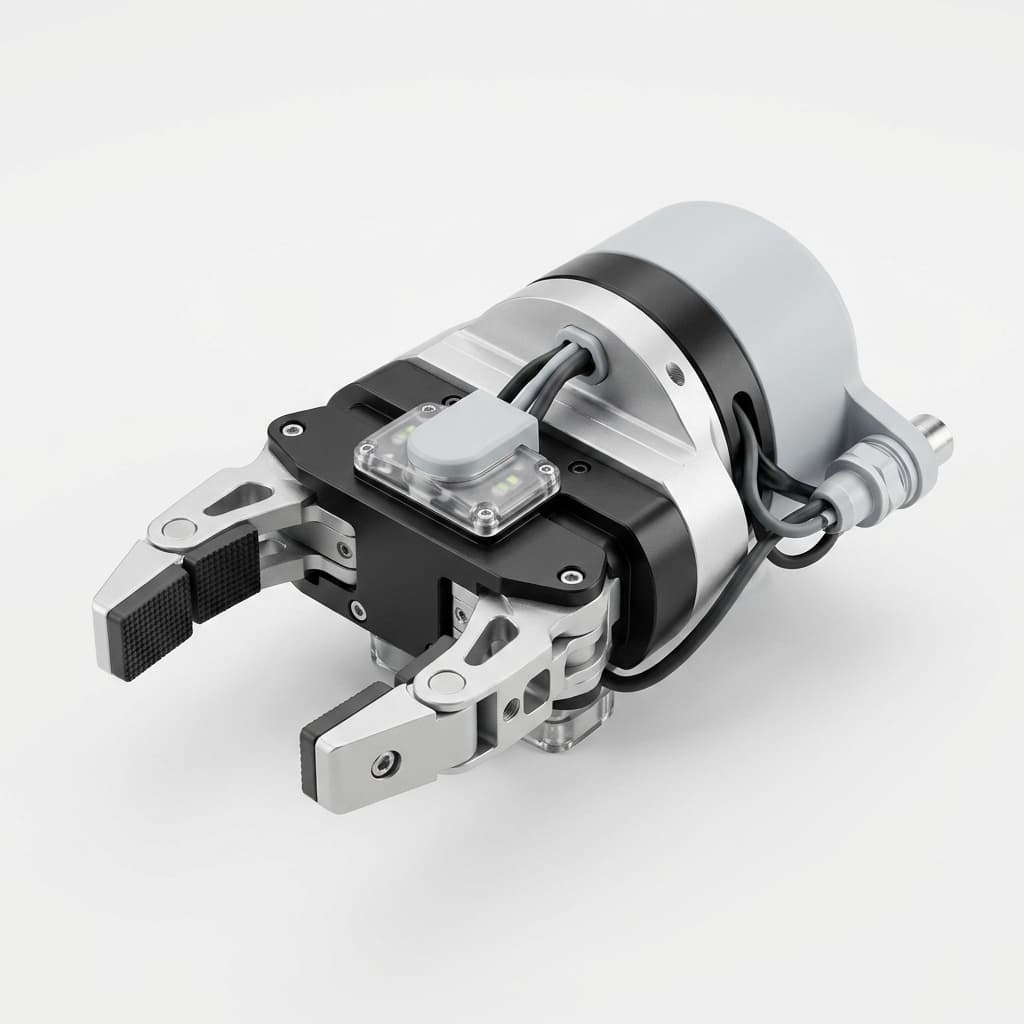
Custom CNC machined EOAT components for robot end effectors, including mixed-material assemblies, brackets, plates, nests, jaws, and inspection-ready replacement parts.
Review scopeApplication context changes material, finish, inspection, and documentation requirements. Review the adjacent pages before sending the RFQ if the part is tied to a regulated, high-cycle, or uptime-sensitive cell.
CNC machined EOAT parts for automotive assembly cells, including robot adapter plates, gripper jaws, tooling nests, tool changer plates, and inspection-ready replacement components.
CNC machined EOAT parts for electronics, semiconductor, wafer, and delicate component handling where low mass, clean edges, non-marring contact, and precise location matter.
CNC machined EOAT components for food, medical, pharmaceutical, and clean handling environments where material traceability, cleanability, corrosion resistance, and documentation matter.
CNC machined EOAT components for packaging, palletizing, bag handling, foam vacuum grippers, and high-cycle material handling automation.
A good EOAT machining inquiry should make the part manufacturable, inspectable, and purchasable in the same thread. Use this checklist before sending CAD so the first reply can include useful DFM, lead-time, inspection, and document assumptions.
Machining route, tolerance risk, and feature-level fit review.
FAI, COA/MTR, NDA, onboarding, and RFQ checklist downloads.
CTQ dimensions, dimensional checks, FAI records, and buyer evidence.
Grade selection, COA/MTR support, and finish documentation.
Send STEP/IGES files, 2D drawings, target quantity, material, finish, and the CTQ dimensions your team needs to approve. We will respond with DFM questions, quote assumptions, lead-time risks, and inspection scope notes.
Inquiry Email
Attach your CAD files (STEP, IGES) and tolerances for quick quoting.