
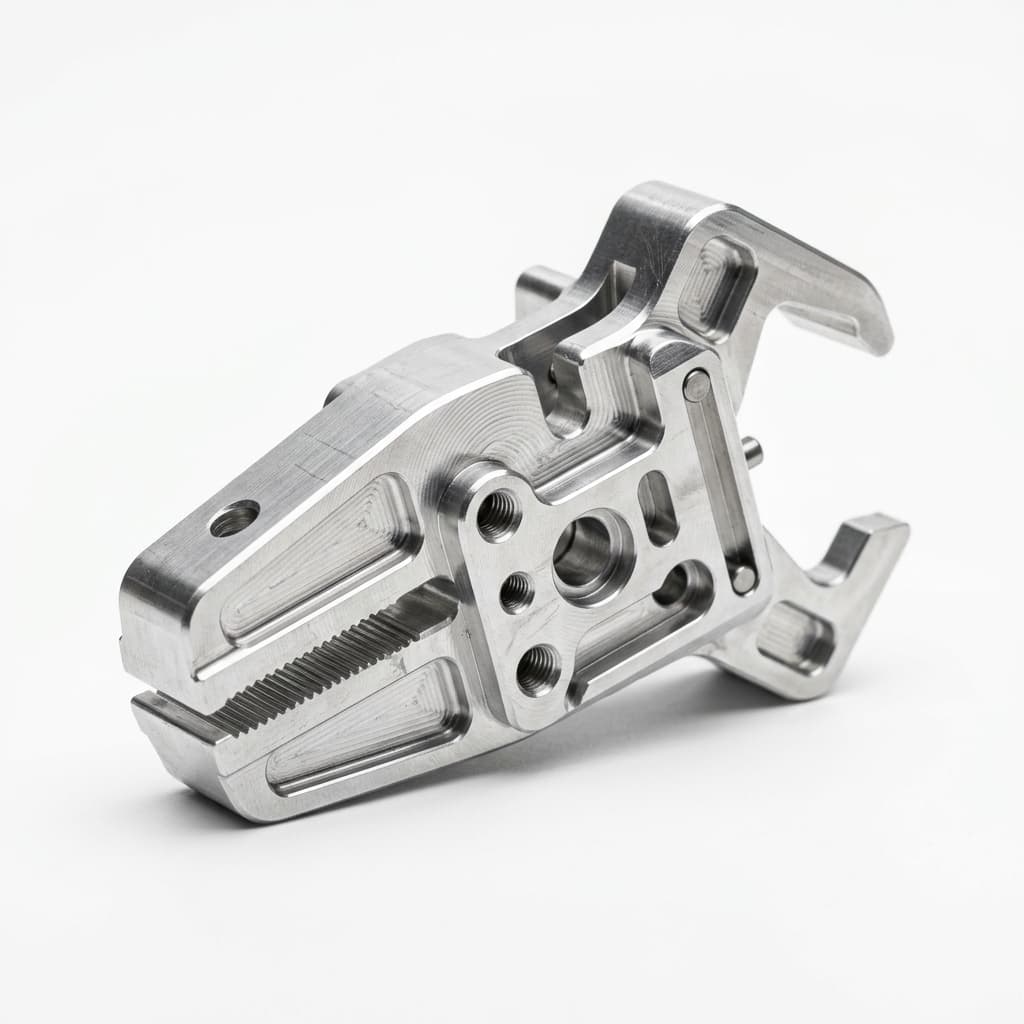
Gripper Jaws & Fingers
Custom CNC machined gripper jaws and fingers for robotic handling, matched jaw sets, non-marring contact, part location, and CTQ inspection planning.
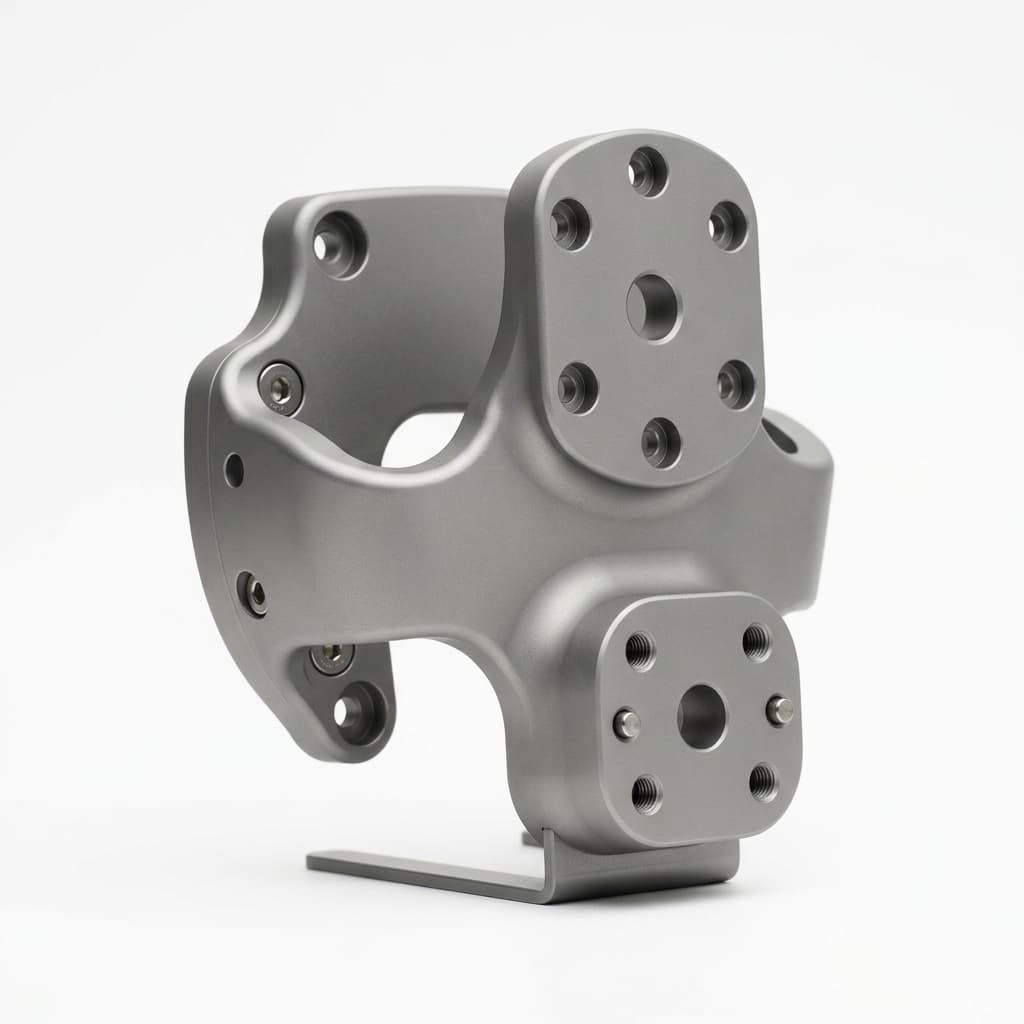
Review scopeCustom CNC machined sensor brackets, cobot mounts, cable-relief plates, and lightweight EOAT support parts for tight robot cell clearances.
Sensor brackets and cobot mounts look simple until they collide with the cell, block service access, add too much payload, or drift after adjustment. The page focus is clearance, stiffness, and repeatable positioning.
Inquiry Email
Attach your CAD files (STEP, IGES) and tolerances for quick quoting.
Material choice should follow payload, contact, cleaning, wear, and documentation requirements. These are common starting points for RFQ review, not a substitute for drawing-specific material callouts.
The machining route should protect the features that affect robot fit, product contact, sealing, replacement, and repeat-order stability.
Use these product references to decide what belongs in the drawing package: interface faces, part-contact areas, service access, pneumatic or cable details, and the features that should become CTQ inspection points.
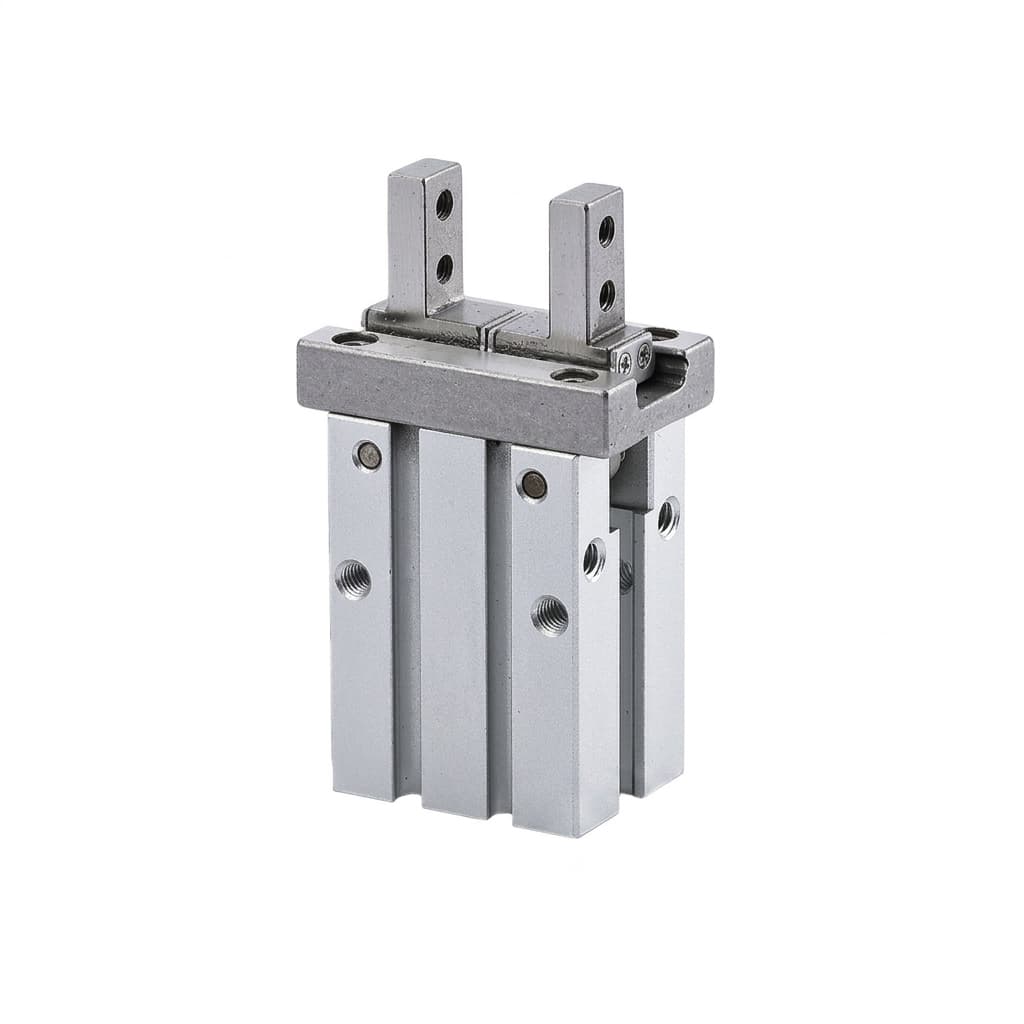
Relevant when sensor or gripper brackets must fit inside tight cell envelopes.
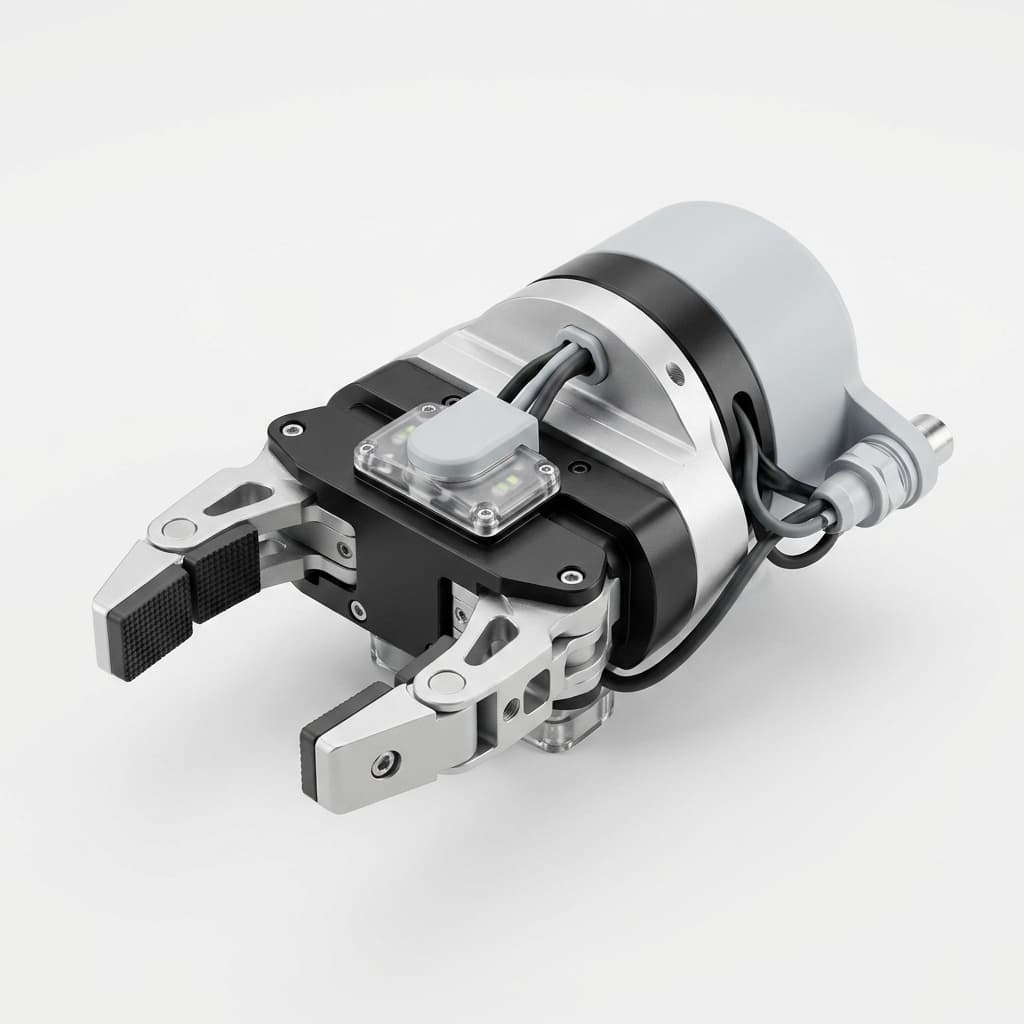
Helps buyers think about payload, vibration, and cable routing together.
Shows why slots, fastener access, and cable relief need early review.
A useful FAI or dimensional reporting plan starts from part function. The table below shows what buyers usually need to verify before releasing the sample or repeating the part.
| Feature | Risk Controlled | Typical Inspection | Buyer Output |
|---|---|---|---|
| Sensor datum and adjustment slots | Calibration drift and commissioning rework | Slot width, position, and datum face checks | Sensor alignment baseline |
| Lightweight pocketed geometry | Vibration, flex, or unnecessary payload mass | Wall thickness and retained rib review | DFM notes on stiffness and payload |
| Cable relief and service access | Cable damage and difficult maintenance | Edge break, radius, and clearance review | Assembly access notes |
Include these details in the first email to reduce clarification cycles and make the quote easier for engineering and procurement to review.
These controls prevent avoidable sample rework, ambiguous inspection results, and repeat-order mismatches.
Custom CNC machined gripper jaws and fingers for robotic handling, matched jaw sets, non-marring contact, part location, and CTQ inspection planning.
Review scope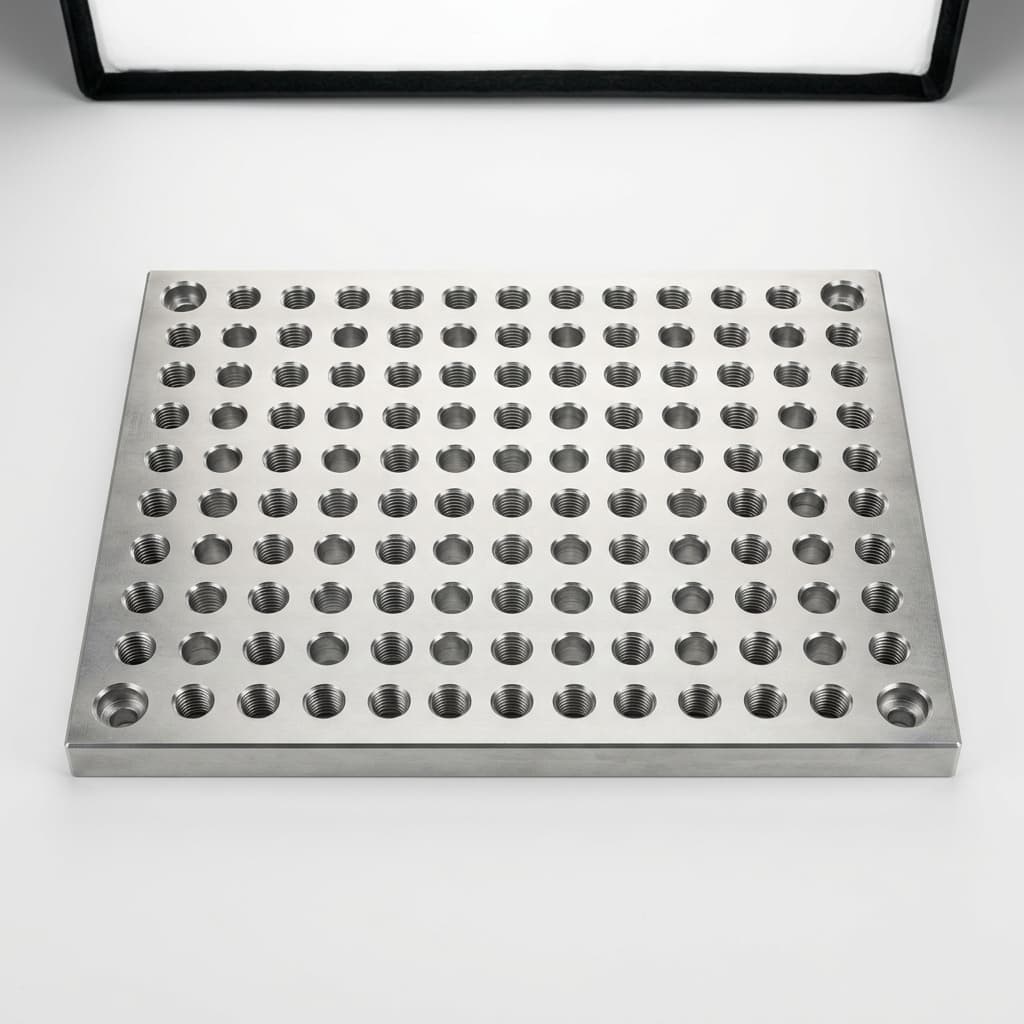
CNC machined tooling plates, EOAT nests, locating fixtures, and datum-controlled part supports for robotic pick, place, inspection, and assembly cells.
Review scopeCustom CNC machined EOAT components for robot end effectors, including mixed-material assemblies, brackets, plates, nests, jaws, and inspection-ready replacement parts.
Review scopeApplication context changes material, finish, inspection, and documentation requirements. Review the adjacent pages before sending the RFQ if the part is tied to a regulated, high-cycle, or uptime-sensitive cell.
A good EOAT machining inquiry should make the part manufacturable, inspectable, and purchasable in the same thread. Use this checklist before sending CAD so the first reply can include useful DFM, lead-time, inspection, and document assumptions.
Machining route, tolerance risk, and feature-level fit review.
FAI, COA/MTR, NDA, onboarding, and RFQ checklist downloads.
CTQ dimensions, dimensional checks, FAI records, and buyer evidence.
Grade selection, COA/MTR support, and finish documentation.
Send STEP/IGES files, 2D drawings, target quantity, material, finish, and the CTQ dimensions your team needs to approve. We will respond with DFM questions, quote assumptions, lead-time risks, and inspection scope notes.
Inquiry Email
Attach your CAD files (STEP, IGES) and tolerances for quick quoting.