
Resources
Standards-aware procurement and engineering guidance for EOAT machining projects involving cleanroom, ESD, inspection, traceability, and regulated production requirements.
Use this category to review practical procurement and engineering patterns. Each article is written to reduce ambiguity in RFQ, validation, and production release decisions.
Instead of generic theory, these posts focus on what buyers can send, measure, and approve in supplier communication.
In practical sourcing programs, this category is most useful when its article checklists are copied into internal review templates and then reused in supplier calls, sample sign-off notes, and PO release approvals.
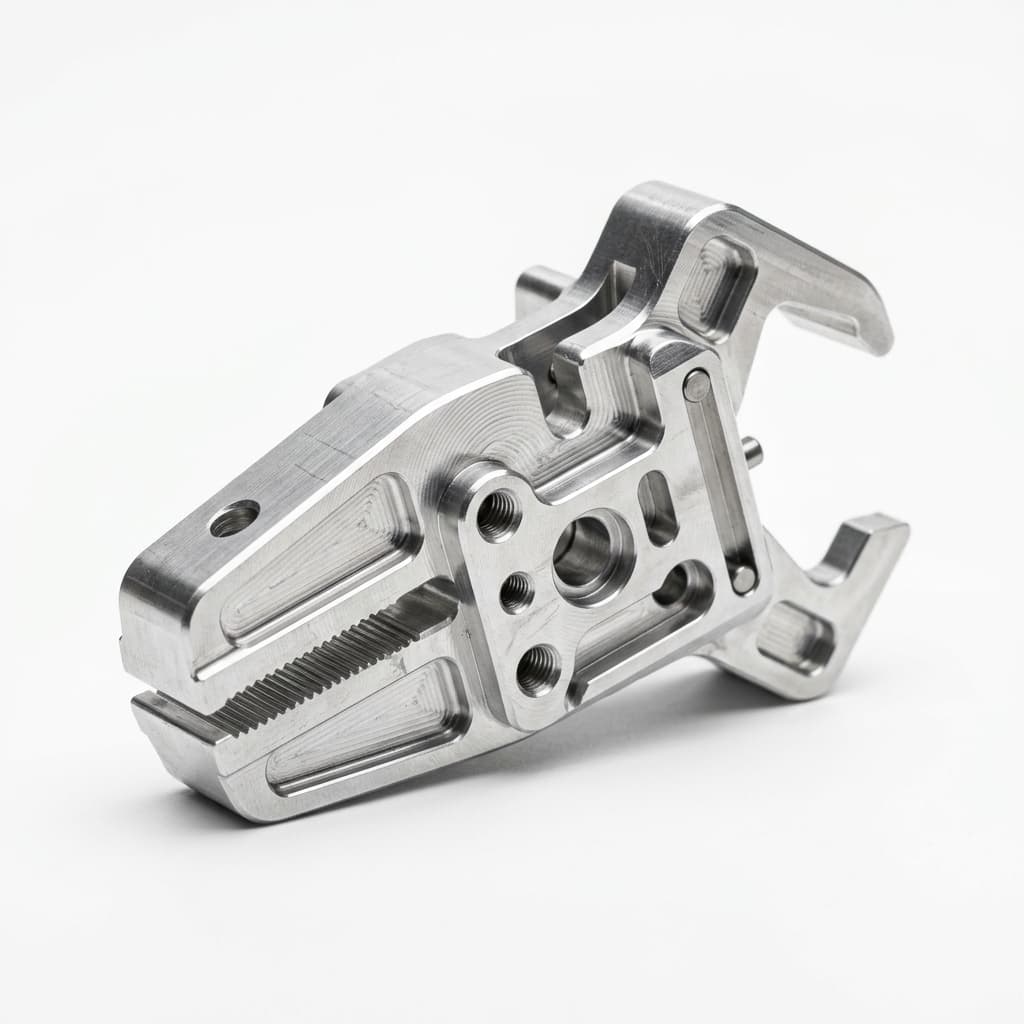
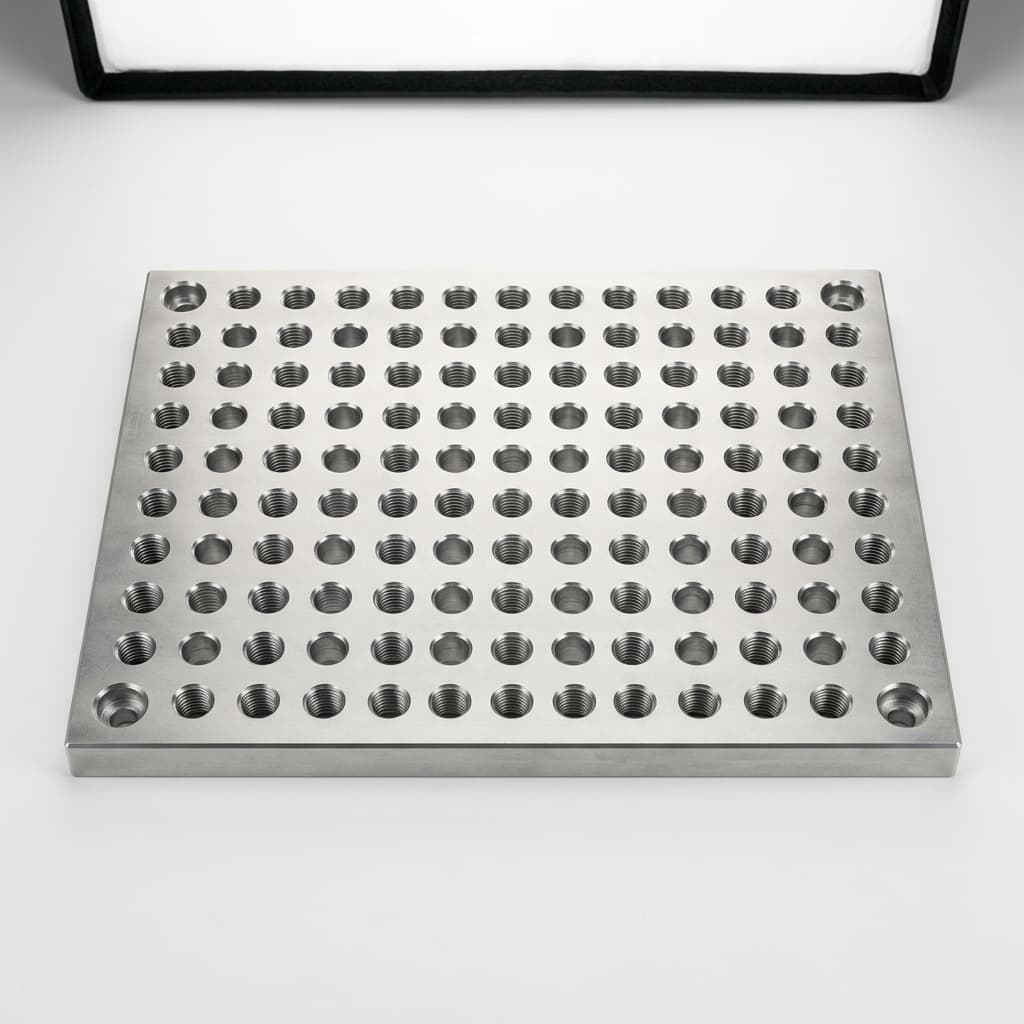
These articles are sorted by publish date and are intended to be used as reusable inputs for your engineering and procurement handoffs.
| Article | Primary Use | Next Step |
|---|---|---|
| Semiconductor Wafer Handling EOAT Machining: 300mm FOUP Clearances, Cantilever Deflection, and PEEK Blade Tolerances | Buyer-side decision and supplier communication alignment. | Convert checklist items into your RFQ or sample plan. |
| Cobot EOAT Machining: Inertia & RFQ Guide | Buyer-side decision and supplier communication alignment. | Convert checklist items into your RFQ or sample plan. |
| Cleanroom & ESD-Safe EOAT Machining: ISO 14644-1 Procurement Guide | Buyer-side decision and supplier communication alignment. | Convert checklist items into your RFQ or sample plan. |
Need project-specific guidance? Start from Contact / RFQ and include the article links your team is referencing.
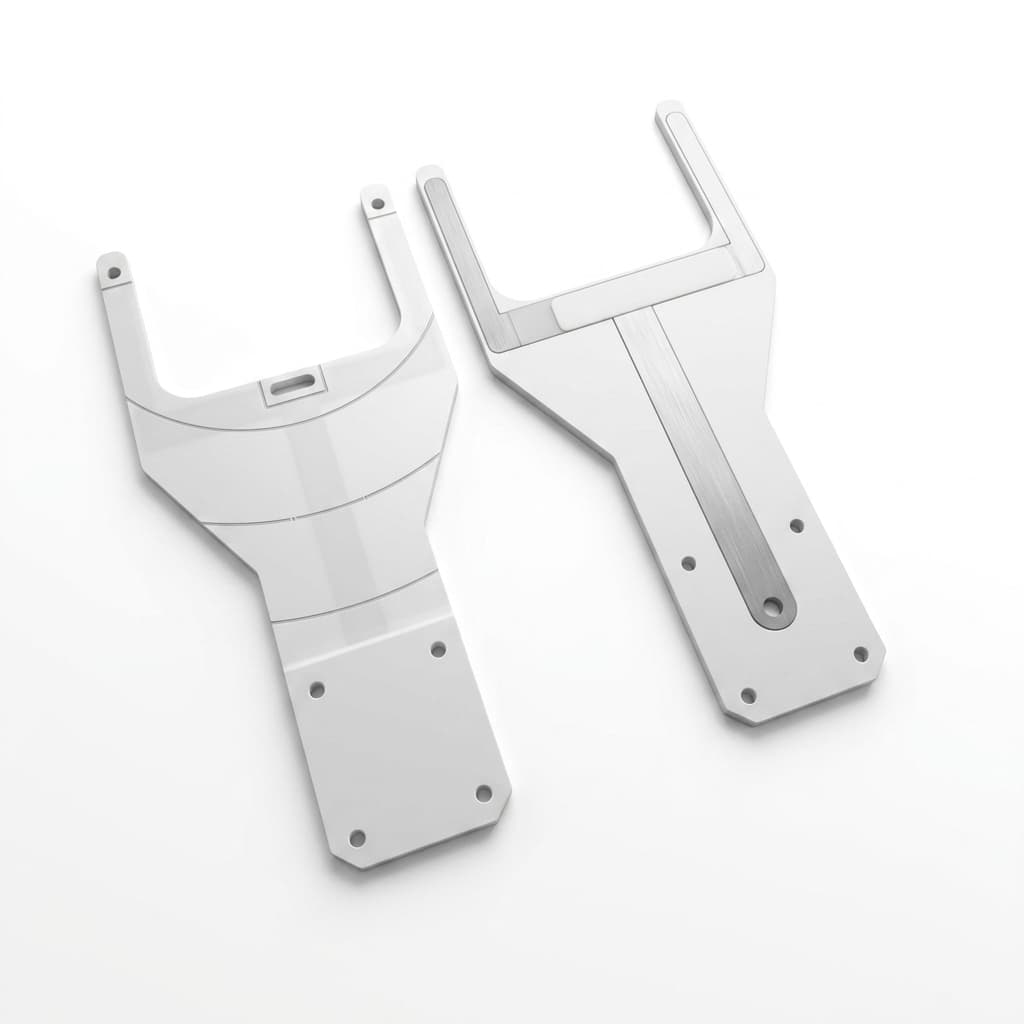
Specify semiconductor wafer handling EOAT machining: 300mm FOUP clearance budgets, PEEK blade deflection, inspection, and vacuum limits. Request a DFM review.

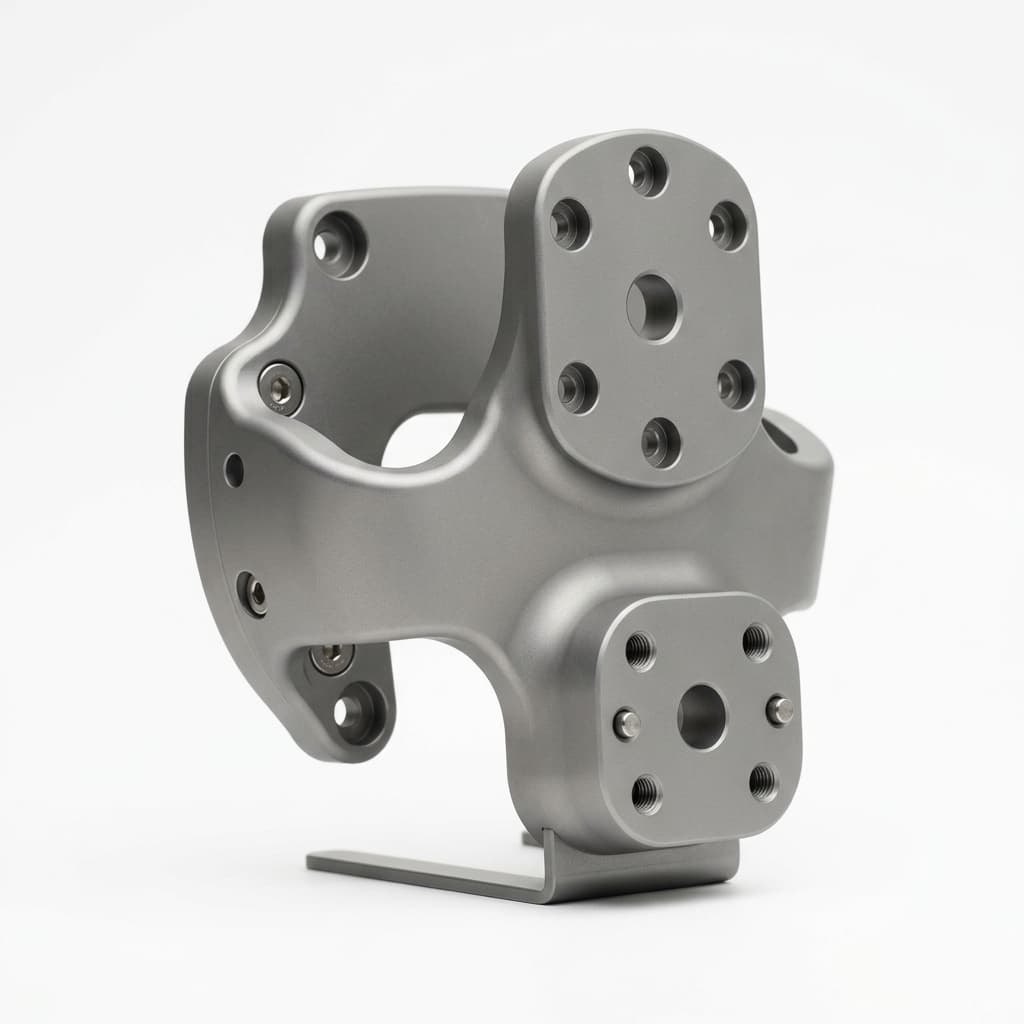
Plan cobot EOAT machining with payload and inertia calculations, contact-edge risk checks, flange tolerances, and an RFQ checklist. Request a CAD/DFM review.

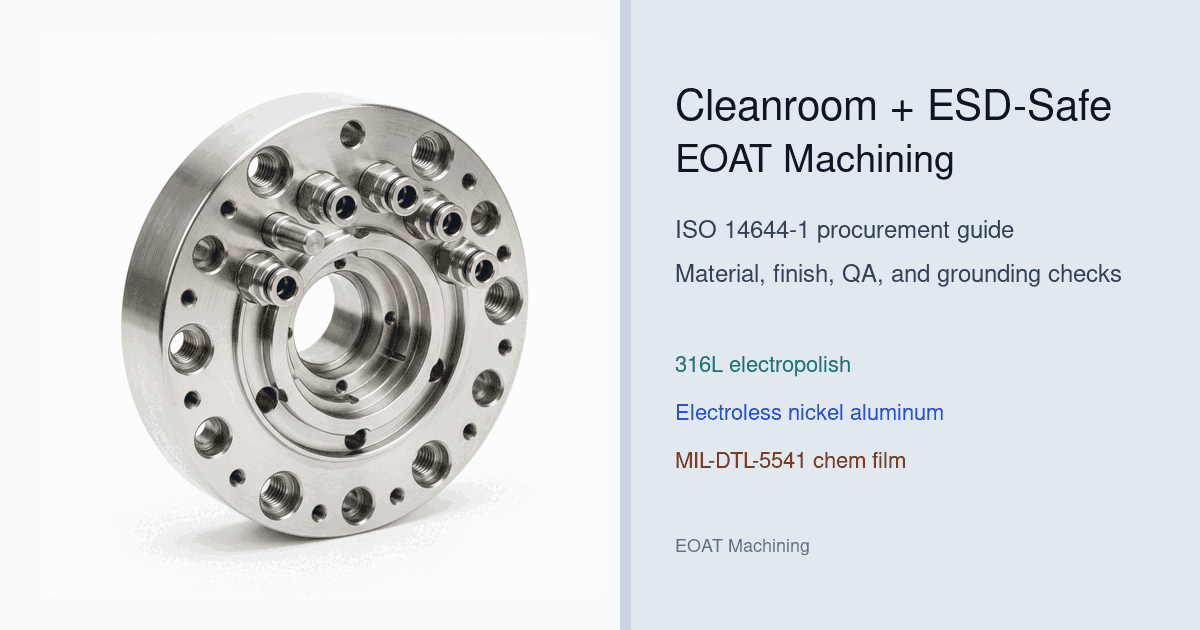
Procurement guide to specify cleanroom and ESD-safe EOAT machining for ISO 14644-1 cells: compare finishes, risks, QA checks, and request DFM support.